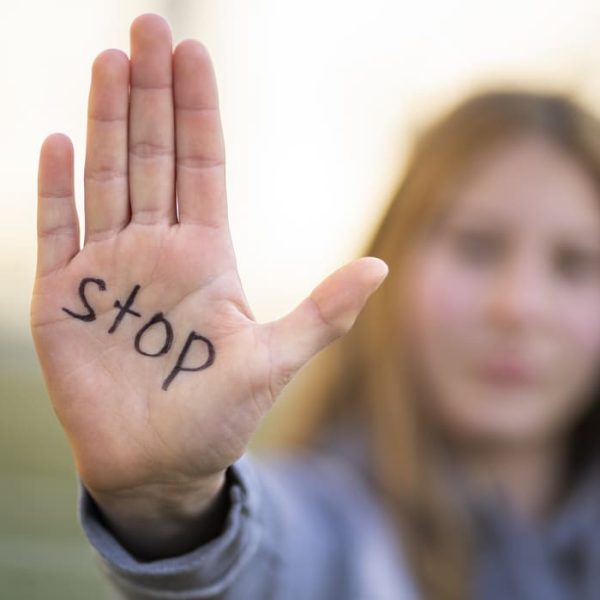
Human trafficking rarely looks the way films suggest. There are usually no locked cages or dramatic kidnappings, just a person who seems frightened, controlled or strangely unable to speak for themselves. Because the crime hides inside ordinary places, from nail bars and car washes to farms and private homes, learning the signs of human trafficking is one of the few things an ordinary person can genuinely do to help. Recognising them will not turn you into an investigator, but it can be the moment a hidden situation finally comes to light.
What trafficking actually is
At its core, human trafficking means using force, fraud or coercion to exploit another person for profit. That exploitation takes many shapes, including forced sex work, domestic servitude and forced labor in fields, factories or kitchens. It does not require crossing a border, and many victims are trafficked within their own country, sometimes within their own town. The common thread is control. A trafficker holds power over someone through debt, threats, violence or the confiscation of documents, and uses that power to keep them working with little or no pay.
The signs of human trafficking to watch for
No single clue proves anything, but patterns matter. Someone being trafficked may appear fearful, anxious or unusually submissive, especially around a particular person who always speaks for them. They might lack control of their own identity documents, money or phone. Watch for people living and working at the same address, hints that they cannot come and go freely, or a property with heavy security aimed inward rather than out. Physical signs can include untreated injuries, deep exhaustion, or a person who seems coached about what to say. In a workplace, wages that vanish into unexplained deductions are a classic marker of forced labor. Spotting one of these is not proof, but noticing several together is a reason to pay closer attention.
Who is most at risk
Traffickers look for vulnerability. People fleeing poverty or conflict, those with insecure immigration status, and young people who have run away from home are all targeted more often. Migrant workers are especially exposed, because unfamiliar surroundings, language barriers and a fear of deportation make it harder to ask for help. This is less about nationality or background than about circumstance. Anyone cut off from support, unsure of their rights and dependent on someone else for shelter and income can be drawn into exploitation before they fully understand what has happened.
What to do if you suspect something
The most important rule is not to intervene directly, which can put both you and the victim in danger. Do not confront a suspected trafficker or try to rescue anyone yourself. Instead, note what you can safely observe, such as descriptions, vehicles and locations, and report it to the police or a national trafficking helpline. Many countries run confidential hotlines staffed by people trained to assess these situations. Survivors who do get free often need certified documents translated correctly for asylum or immigration claims, and those papers can shape the rest of their lives. Your part is smaller but still vital: to notice, and to pass what you see to people who can act on it.
Recognising exploitation depends on noticing patterns that individually look unremarkable. Training works by teaching people what to attend to rather than what to feel. That is fundamentally a perception problem, and what neuroscience understands about pattern recognition is now shaping how detection systems are designed.
Trafficking is not the same as smuggling
The two words are often confused, and the difference is worth understanding. Smuggling is essentially a transport crime, where a person pays someone to help them cross a border illegally, and the arrangement usually ends once they arrive. Trafficking is a crime against a person, built on ongoing exploitation, and it can happen without anyone ever crossing a border at all. A smuggled migrant is, in the eyes of the law, a willing customer of an illegal service, while a trafficking victim is being controlled and used against their will. The confusion matters because it shapes how people are treated once they are found. Someone labelled only as a smuggled migrant may simply be deported, whereas the same person recognised as a trafficking victim is entitled to protection, shelter and legal support. Charities and investigators spend a great deal of effort untangling the two, precisely because a wrong label can send a victim back into the hands of the people who exploited them. Getting the distinction right can change the entire course of someone's life.
Awareness that lasts beyond a single month
Each January, Human Trafficking Awareness Month draws attention to the issue, and the annual World Day Against Trafficking in Persons does the same in July. These moments matter, but the problem does not keep a calendar. The most useful thing awareness can do is stay switched on all year, so that the fearful worker, the friend who suddenly drops out of view, or the neighbour who is never allowed out alone registers as something worth a second thought. Trafficking survives on being unseen. Ordinary attention, multiplied across enough people, is one of the few things it cannot easily withstand.